
Teresa Ribiero
With more than 20 years' experience in residential, urban and rehabilitation architecture, she has turned his attention to Neuro-architecture. Her intention is to integrate the insights of this emerging discipline into architectural training and practice in Portugal.
Currently in Lisbon, she manages and coordinates the design and quality control department of the property development company Irmãos Mota, Lda (with more than 45 years in the property development market. They plays an important role in urban design and the creation of communities).
She worked for four years with the Carlos Ferrater architecture office in Barcelona, where she completed his Master's degree at the Polytechnic University of Catalonia in Monument Rehabilitation, while also working with the Architects Without Borders team. She has developed various housing projects in Mozambique, particularly in Maputo, where she has also collaborated with NGOs and supported the local community. She has developed and taught training courses for newly graduated architects, specialising in Urban Rehabilitation and Quality Management. She took part in the REM 2022 course at Harvard Business School (Real Estate Management, Leadership and Design).
Completed the course Neuroscience Applied to Environments and Creation (Neuroau).
She is a member of the GRI Club, WIRE (women in real estate), a member of the ANFA UK Chapter and took part in the last 20th anniversary conference with a poster.
She completed a postgraduate course at ISEG in Project Management, an ISCTE postgraduate course in Real Estate Investment Analysis, as well as an NLP Practitioner Diploma.
What is neuroarchitecture?
What does the term neuroarchitecture mean and why is it gaining importance in scientific and professional circles? Dr Carmen Llinares and Dr Juan Luis Higuera-Trujillo, from the Neuroarchitecture Laboratory at the Universitat Politècnica de València (UPV), explain that neuroarchitecture is a scientific discipline that results from the combination of architecture and neuroscience. Their task is to measure and analyse how people feel and react in architectural spaces. From colours, to furniture, to the layout and height of ceilings. From these parameters, people's physical and sensory experiences are scientifically determined in terms of heart rate and perspiration levels, for example.
A Lelien & Arkana Media production
Audio in Portuguese
BAU97 Neuroarchitecture
Teresa Ribeiro and Lúcia Vaz Pato are two architects who are evangelising NeuroArchitecture, a current in architecture that uses neuroscience to create spaces that have a positive impact on the well-being and behaviour of their users.
In this conversation we start by getting to know Teresa and Lúcia, then exploring their links to neuroarchitecture (12:21), their areas of intervention (16:16), the relationship between personal taste and the universality of some reactions (32:44) and we also get some tips for organising an individual workspace that promotes performance and well-being (39:39). We end the programme getting to know them better (47:17) and with their answers to the fixed grid (1:01:11).
Audio in Portuguese
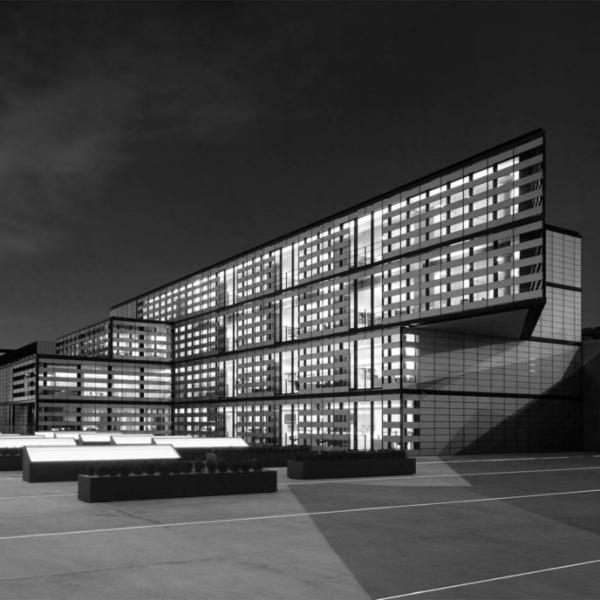
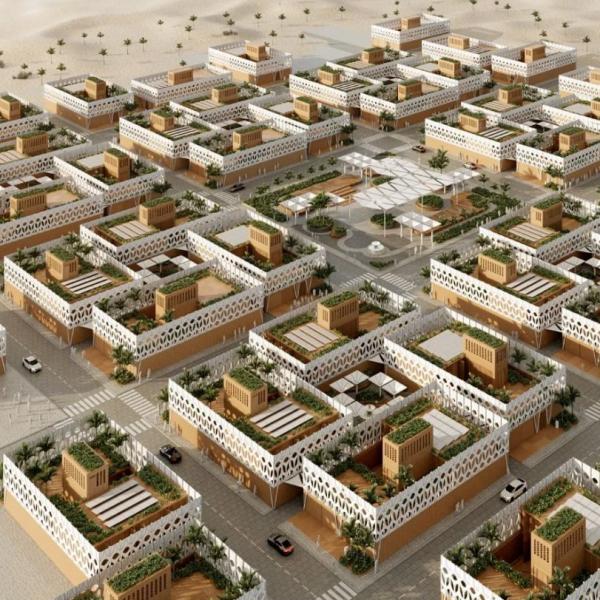
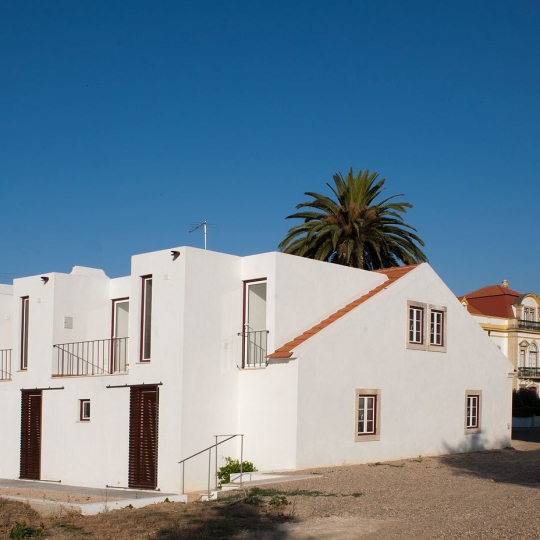
Projects
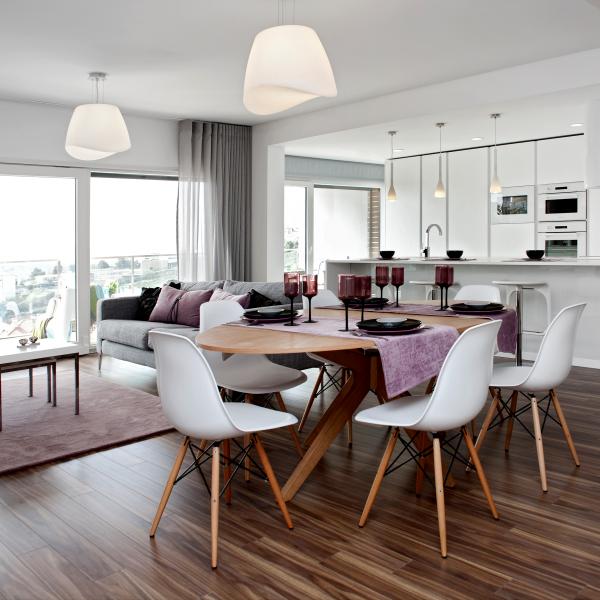
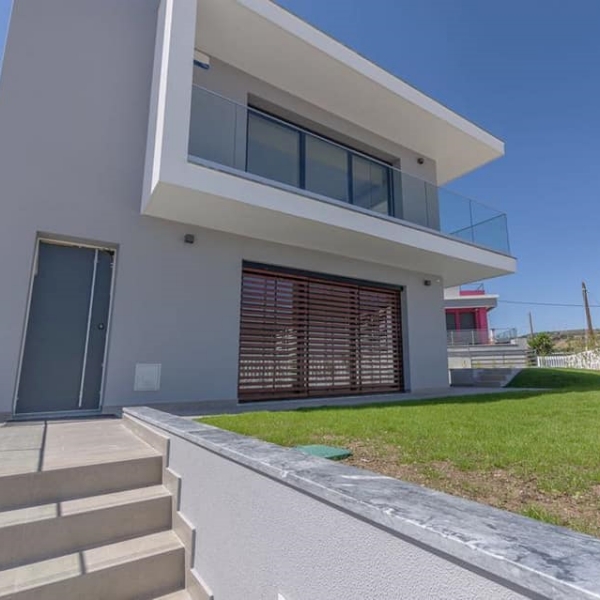
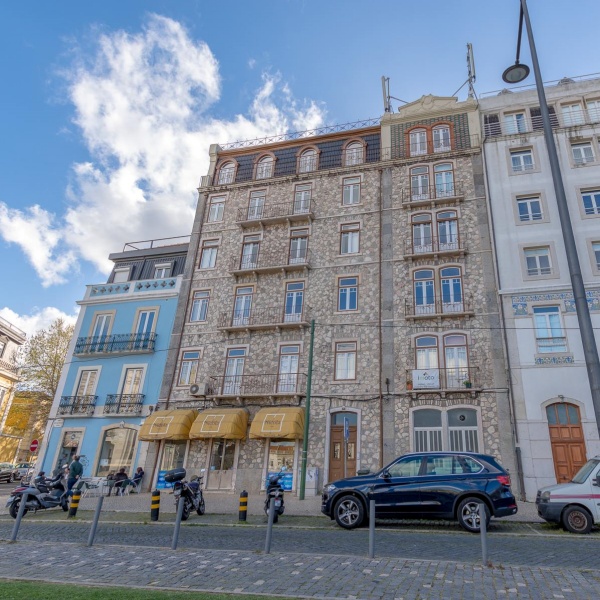
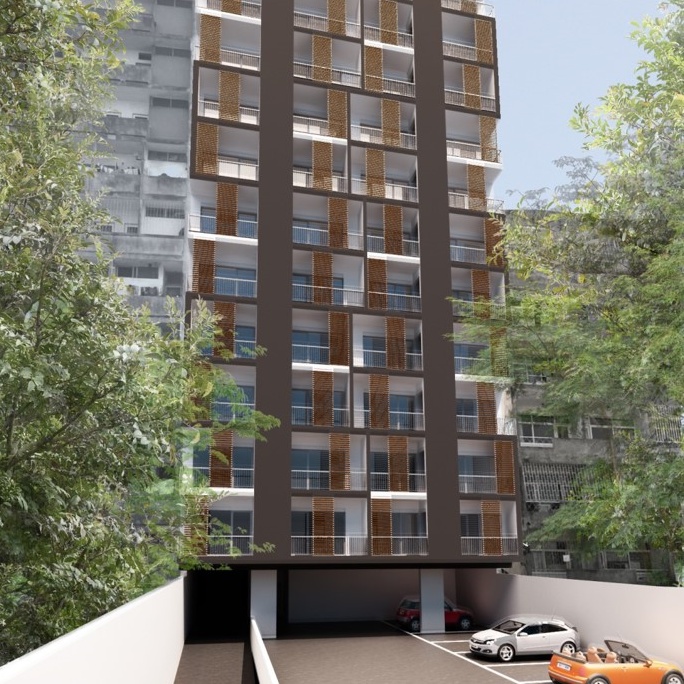
get in touch
The environments in which we live and work have a significant impact on our well-being, productivity and quality of life.